

The WordPress ecosystem is constantly evolving, and staying ahead of the curve is essential for agencies looking to maintain a competitive edge. As new technologies and trends emerge, it’s important to adapt and leverage these advancements to enhance your services. Here are some key trends in WordPress that every agency should keep an eye on.
1. The Rise of Headless WordPress
Headless WordPress is gaining traction as agencies seek more flexibility and performance. By decoupling the front-end and back-end, developers can use modern JavaScript frameworks like React or Vue.js to create dynamic user experiences. This approach allows for faster load times, improved security, and greater scalability, making it an attractive option for agencies.
2. Increased Focus on Accessibility
Web accessibility is becoming a top priority as more organizations strive to create inclusive online experiences. WordPress agencies should focus on building sites that meet accessibility standards, such as WCAG 2.1. This includes using accessible themes and plugins, providing alternative text for images, and ensuring keyboard navigation. Prioritizing accessibility not only benefits users but also improves SEO and compliance.
3. Enhanced eCommerce Capabilities
With the growth of online shopping, WordPress is expanding its eCommerce capabilities through plugins like WooCommerce. Agencies should explore these tools to offer clients robust online store solutions. Features such as personalized shopping experiences, AI-driven recommendations, and seamless payment integrations are becoming increasingly important for eCommerce success.
4. Emphasis on Performance Optimization
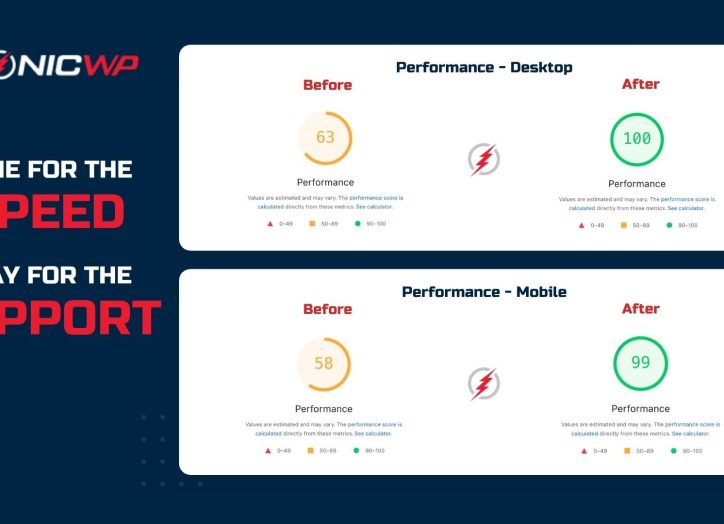
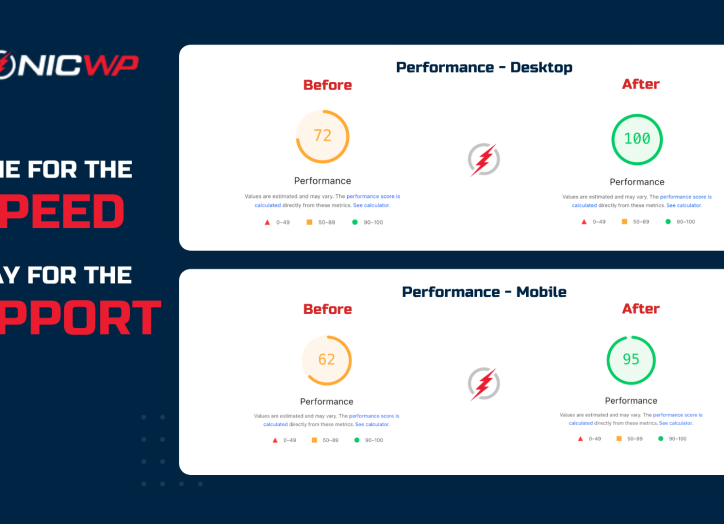
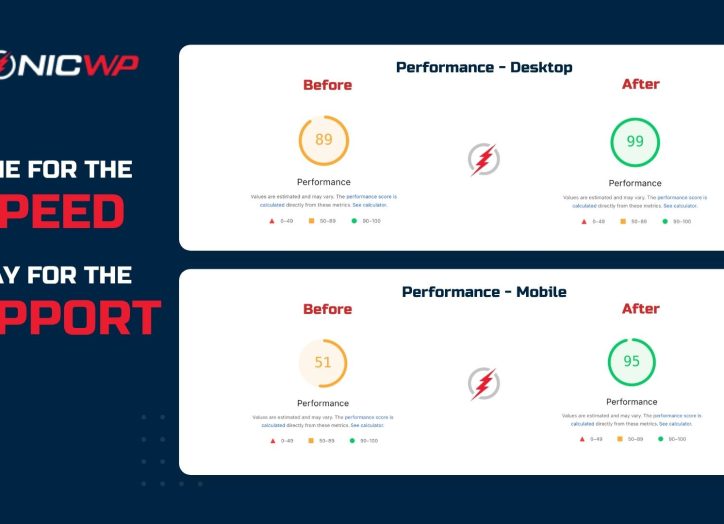
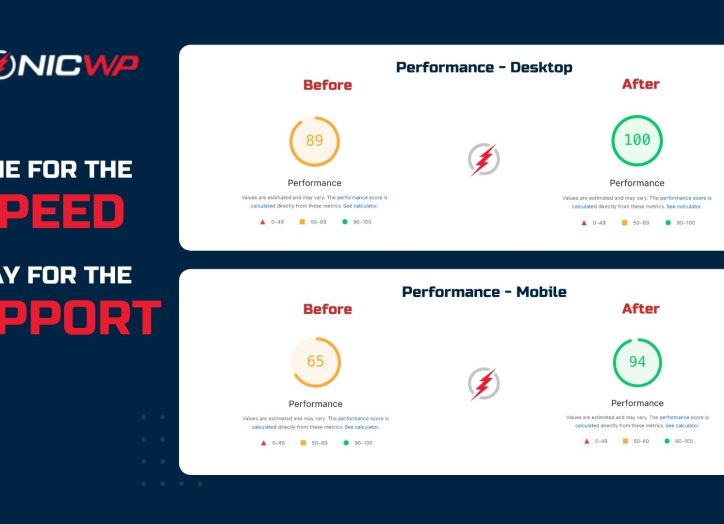
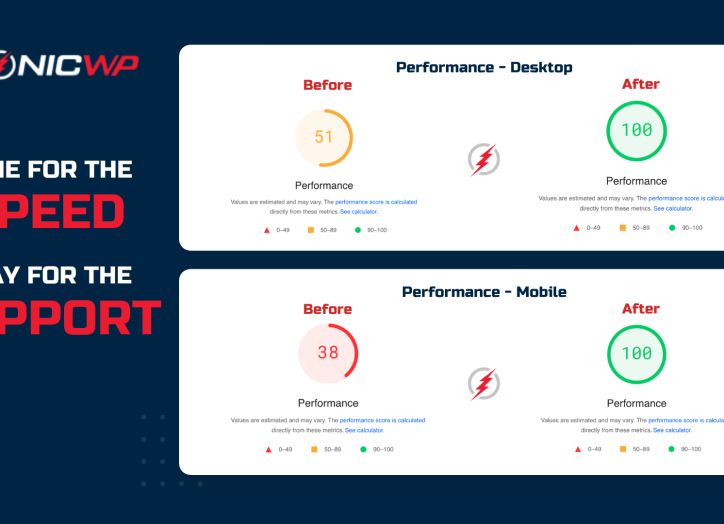
As user expectations for fast-loading websites continue to rise, performance optimization remains a critical focus. Agencies should prioritize techniques such as lazy loading, image optimization, and server-side rendering to enhance site speed. Additionally, tools like Google PageSpeed Insights can provide valuable insights for continuous improvement.
5. Integration of AI and Machine Learning
Artificial intelligence and machine learning are making their way into the WordPress ecosystem, offering new opportunities for automation and personalization. Agencies can leverage AI-powered tools for content creation, customer support, and data analysis. These technologies can help streamline operations and deliver more tailored experiences to clients.
6. Expansion of Multilingual Capabilities
As businesses expand globally, the demand for multilingual websites is increasing. WordPress agencies should focus on providing seamless multilingual solutions using plugins like WPML or Polylang. This trend allows agencies to cater to diverse audiences and help clients reach new markets.
7. Growth of Community and Collaboration
The WordPress community continues to grow, fostering collaboration and innovation. Agencies can benefit from participating in events like WordCamps and contributing to open-source projects. Engaging with the community provides valuable networking opportunities and access to the latest developments in the WordPress ecosystem.
Conclusion
Staying informed about emerging trends in WordPress is crucial for agencies looking to thrive in a competitive landscape. By embracing headless WordPress, focusing on accessibility, enhancing eCommerce capabilities, optimizing performance, integrating AI, expanding multilingual offerings, and engaging with the community, agencies can position themselves for success. Keep an eye on these trends to ensure your agency remains at the forefront of WordPress innovation.